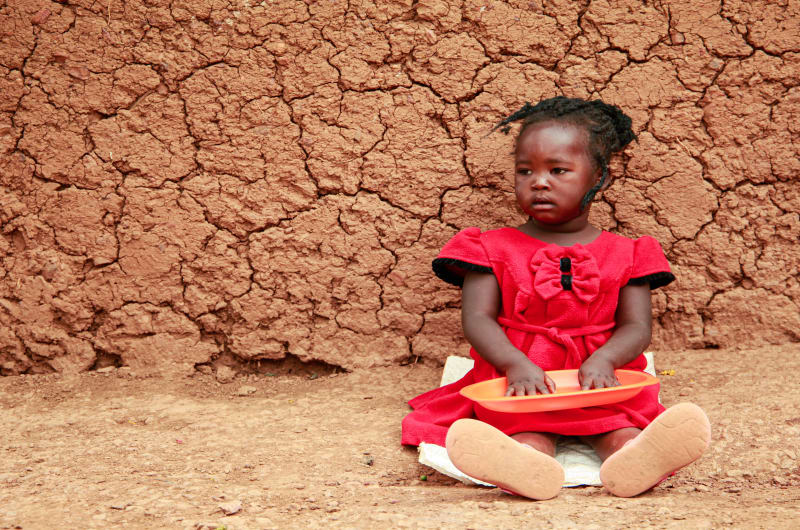
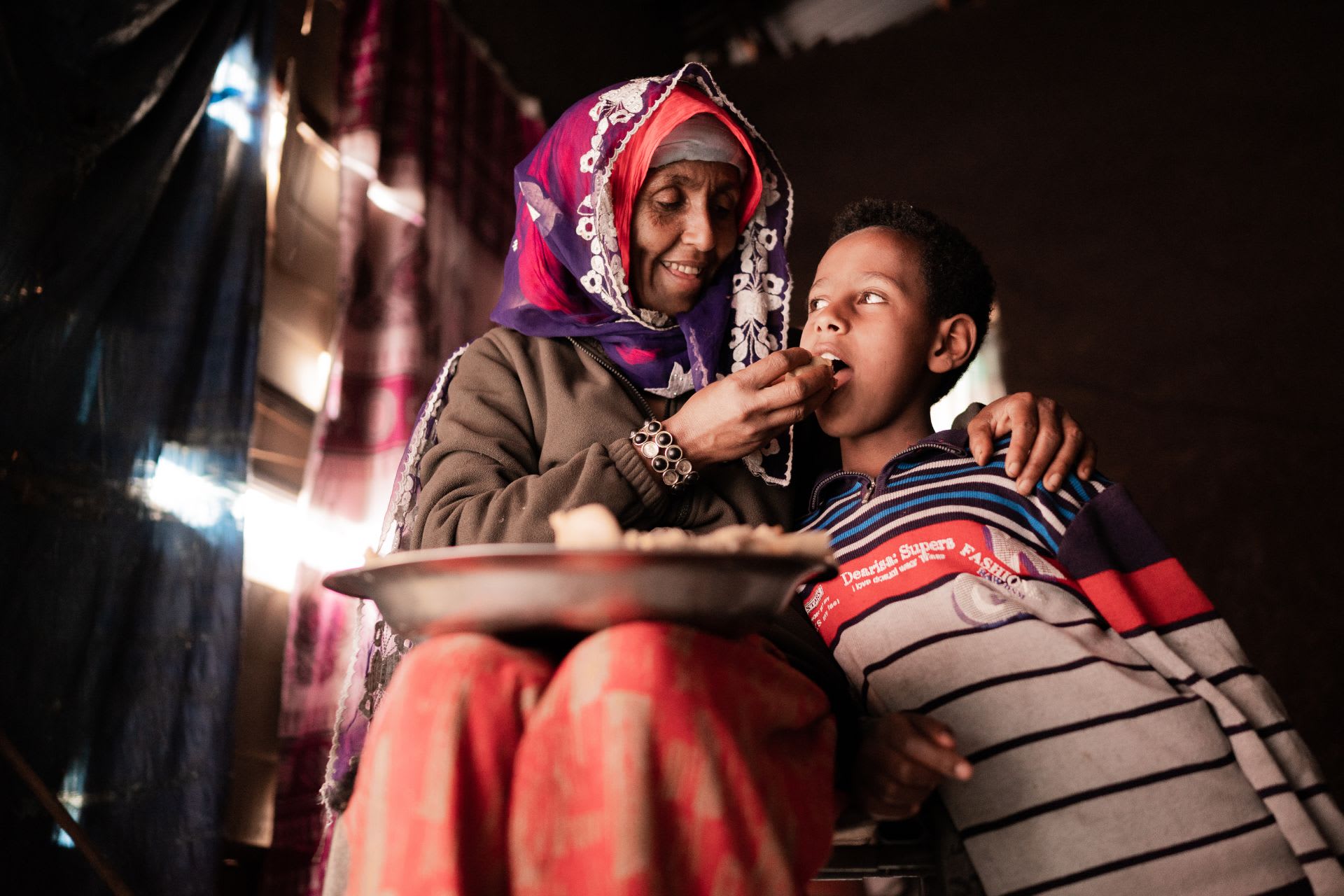
Food insecurity affects millions of families around the world. It happens when people do not have reliable access to enough nutritious food to live healthy, active lives.
A shopping cart isn’t quite as full as it used to be. A few items stay on the shelf. A favourite snack becomes an occasional purchase. Dinner plans change when prices are higher than expected.
Many Canadians have felt the impact of rising food costs over the past few years. Grocery shopping now takes a little more planning, a little more creativity and a little more attention to every dollar.
While these realities have created challenges at home, millions of families around the world face a much deeper uncertainty: whether there will be enough food at all.
For these families, overcoming food insecurity means more than finding their next meal. It means having food for today and the opportunity to build a more secure tomorrow.
Food insecurity means constantly worrying about whether there will be enough food for the next meal. For others, it means skipping meals, eating less nutritious food or making impossible choices between food and other necessities.
Children are often affected most.
When food is uncertain, it becomes harder for children to grow, learn and thrive.
Food insecurity is more than hunger
Hunger is the physical experience of needing food. Food insecurity is the uncertainty around having consistent access to enough nutritious food. A family can experience food insecurity long before a meal is missed, characterized by a constant worry about how they will afford their next grocery trip or what they may have to go without.
A family may be experiencing food insecurity because food prices have increased, conflict has disrupted local markets, crops have failed or household income is no longer enough to meet daily needs.
According to the United Nations’ 2026 report, The State of Food Security and Nutrition in the World, approximately 2.1 billion people experienced moderate or severe food insecurity in 2025. For many families, each day begins with the question: How will we put food on the table?
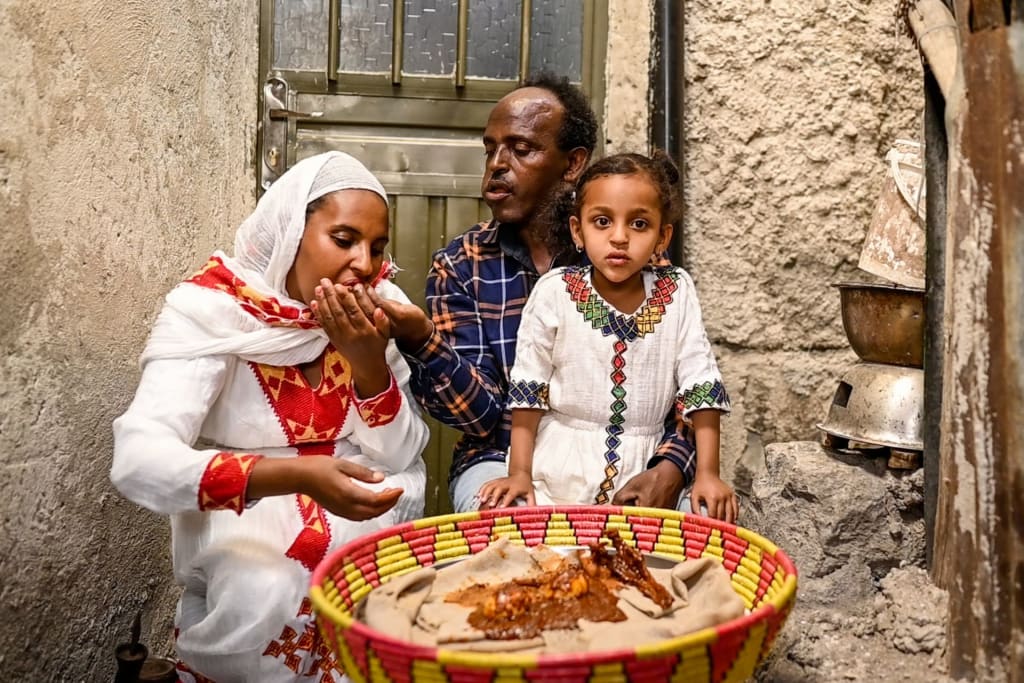
Elbethel sits with her parents, Anteneh and Tsehaynesh, at home. Anteneh is performing ‘gursha’ or feeding one another, one of the most common things to do in Ethiopian culture during the holidays and everyday life.
What causes food insecurity?
Food insecurity has many causes, often driven by circumstances beyond a family’s control. Even the most resourceful caregivers can struggle to provide consistent, nutritious meals when rising prices, conflict or environmental challenges disrupt their access to food.
Some of the most common causes include:
- Conflict and displacement
- Rising food prices and inflation
- Droughts, floods and extreme weather
- Poverty and limited income opportunities
- Economic instability
These challenges often build on one another, placing enormous pressure on families who are already vulnerable.
How does food insecurity affect children?
Food insecurity affects far more than a child’s next meal. Without reliable access to nutritious food, children are at greater risk of illness and malnutrition. Hunger can make it difficult to concentrate in school, participate in learning and reach developmental milestones.
The impact extends beyond physical health. When families are struggling to meet basic needs, stress and uncertainty can affect emotional well-being and limit future opportunities.
For children, food insecurity can influence every area of development.
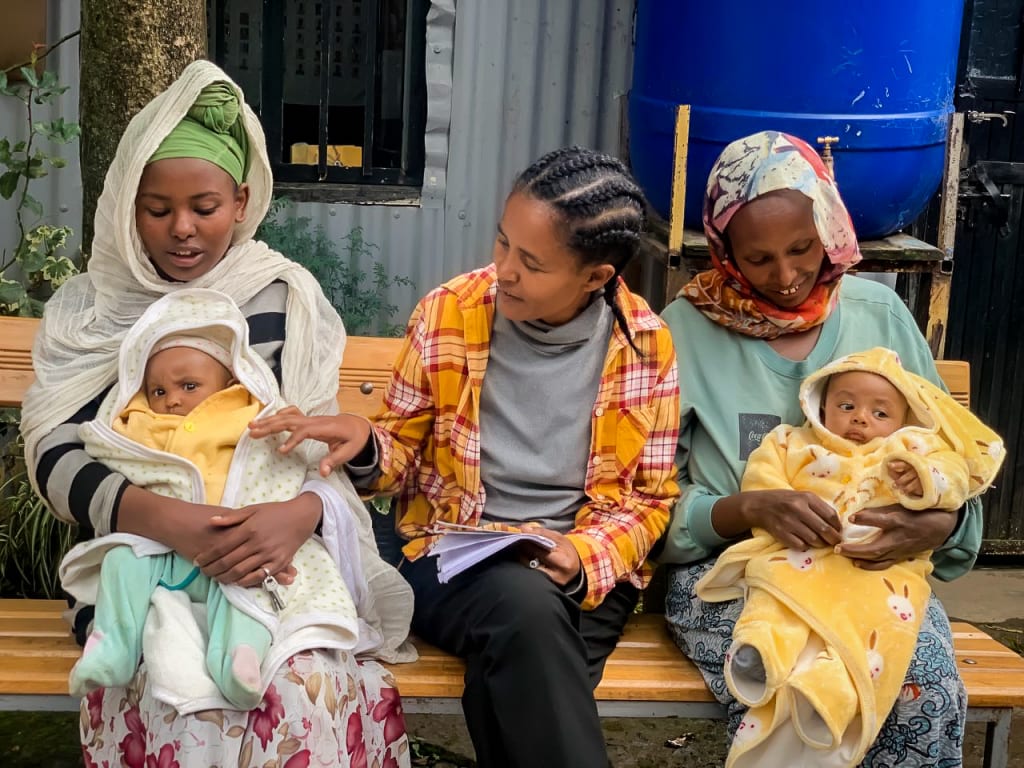
Mothers of newborn babies like Betselot and Aynalem visit this Compassion centre in Ethiopia weekly for one-on-one counselling and health education.
What food insecurity looks like for one family
For Zere, a mother in Ethiopia, food insecurity became a daily struggle when conflict disrupted life in her community.
As food became harder to find, she searched her home for anything that could feed her children. Sometimes, all she had was a handful of rice. She boiled it and used the rice water as soup, doing everything she could to help her children through another day.
For Zere, the challenge wasn’t simply finding the next meal. It was living with the uncertainty of what tomorrow might bring, while carrying the responsibility of keeping her children fed and safe.
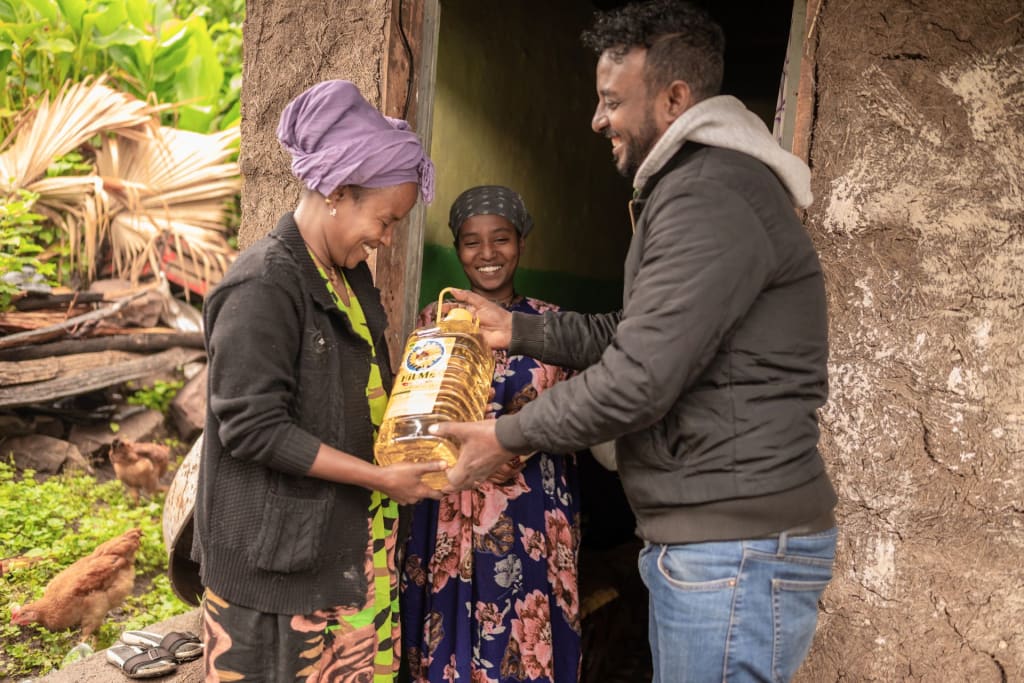
Zere and her daughter standing in the doorway of her home, receiving food support from their Compassion centre.
Building food security for today and tomorrow
Emergency food assistance plays an important role during times of crisis. When families are facing immediate hunger, access to food can provide much-needed relief and stability.
At the same time, lasting food security requires long-term solutions.
Lasting food security means helping families build the skills and resources to provide for themselves. This can include practical livelihood training, opportunities to earn income and community savings groups that help caregivers better prepare for unexpected challenges.
When families have the tools to strengthen their livelihoods, they are better positioned to put nutritious food on the table, support their children’s development and face future challenges with greater stability.
Addressing both immediate needs and long-term resilience creates a path toward lasting food security.
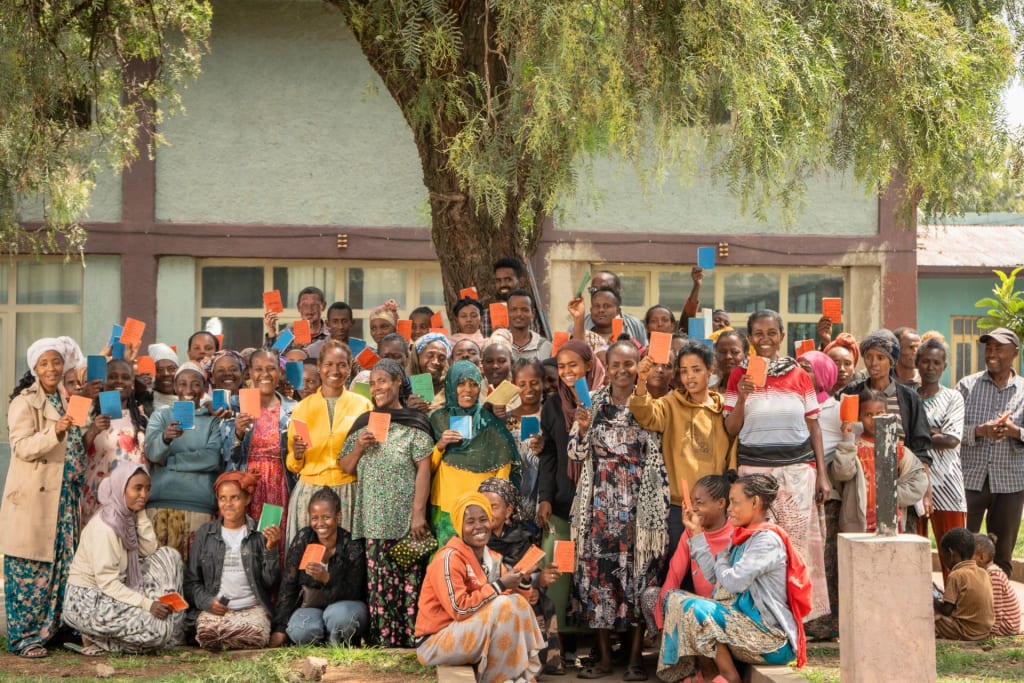
Parents gather at a Compassion centre in Ethiopia for their savings group meetings. This church-led program helps them overcome severe economic hardship, affirms their dignity and builds sustainable futures for their children.
Food for today. Hope for tomorrow.
In communities across Ethiopia affected by conflict and food insecurity, local churches are an important source of care and support for families facing difficult circumstances. Through church-led partnerships, Compassion is working to address urgent food needs while helping caregivers build the skills, resources and opportunities needed for a more secure future.
This Giving Tuesday, Compassion Canada is fundraising to support local church partners in Ethiopia as they provide emergency food assistance to approximately 3,200 people, while equipping 390 caregivers with practical training, resources and opportunities to rebuild their livelihoods.
Your gift will help fill tables today and strengthen families for tomorrow. And thanks to generous donors, every gift up to $100,000 will be matched, helping your impact go further.
Food insecurity doesn’t have to define a child’s future. When families have access to nutritious food today and the resources to build sustainable livelihoods tomorrow, hope can take root.
This Giving Tuesday, you can be part of both. Give food for today. And hope for tomorrow.